Choosing a saw for construction work is rarely just about whether it can cut concrete. What really matters is how well it handles the material, how practical it is on site, and whether it helps produce a cleaner result with less unnecessary rework. That is where a ring saw offers clear advantages.
Many construction cuts are made in less-than-ideal conditions. A wall may need to be modified inside an existing building. A new doorway may need to be formed in concrete. A section of masonry may need to be removed for mechanical or utility access. In situations like these, the value of a ring saw goes beyond basic cutting ability. It offers a combination of depth, control, and flexibility that makes demanding work more manageable.
For concrete walls, masonry sections, renovation tasks, and structural alterations, a ring saw is often chosen because it suits real site conditions better than many standard handheld saws. It is particularly useful when material thickness, restricted access, and finish quality all matter at the same time.
What Makes a Ring Saw Useful in Construction?
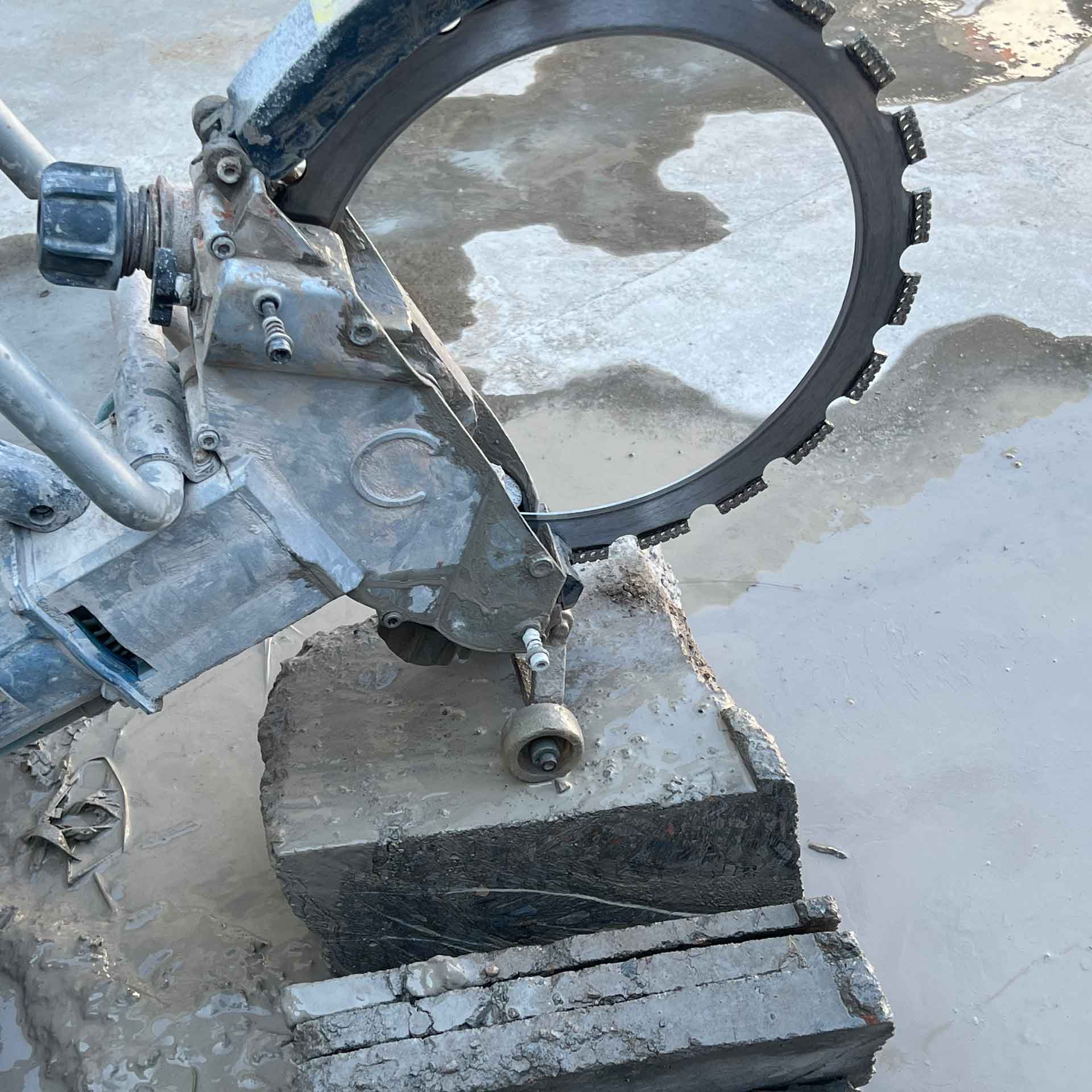
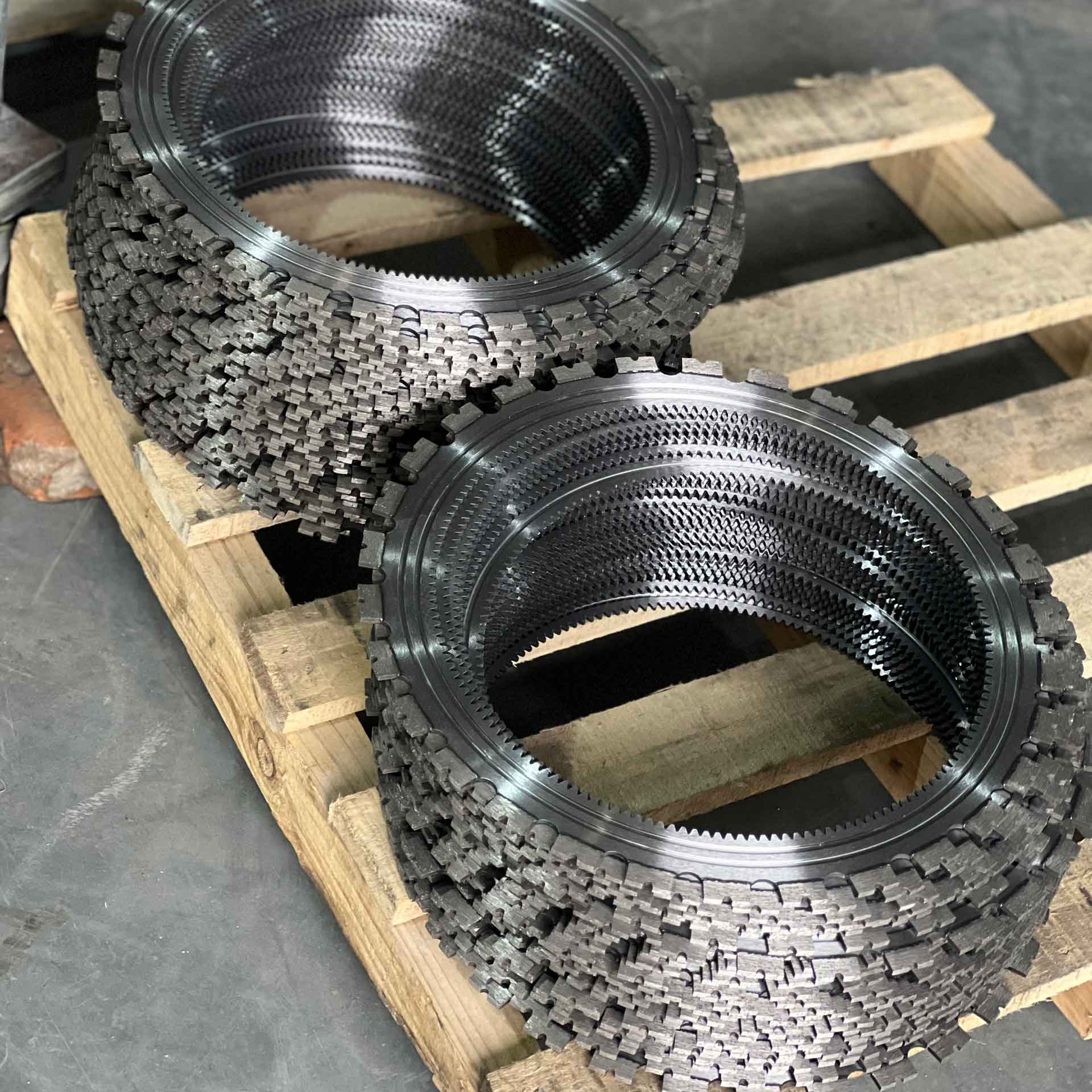
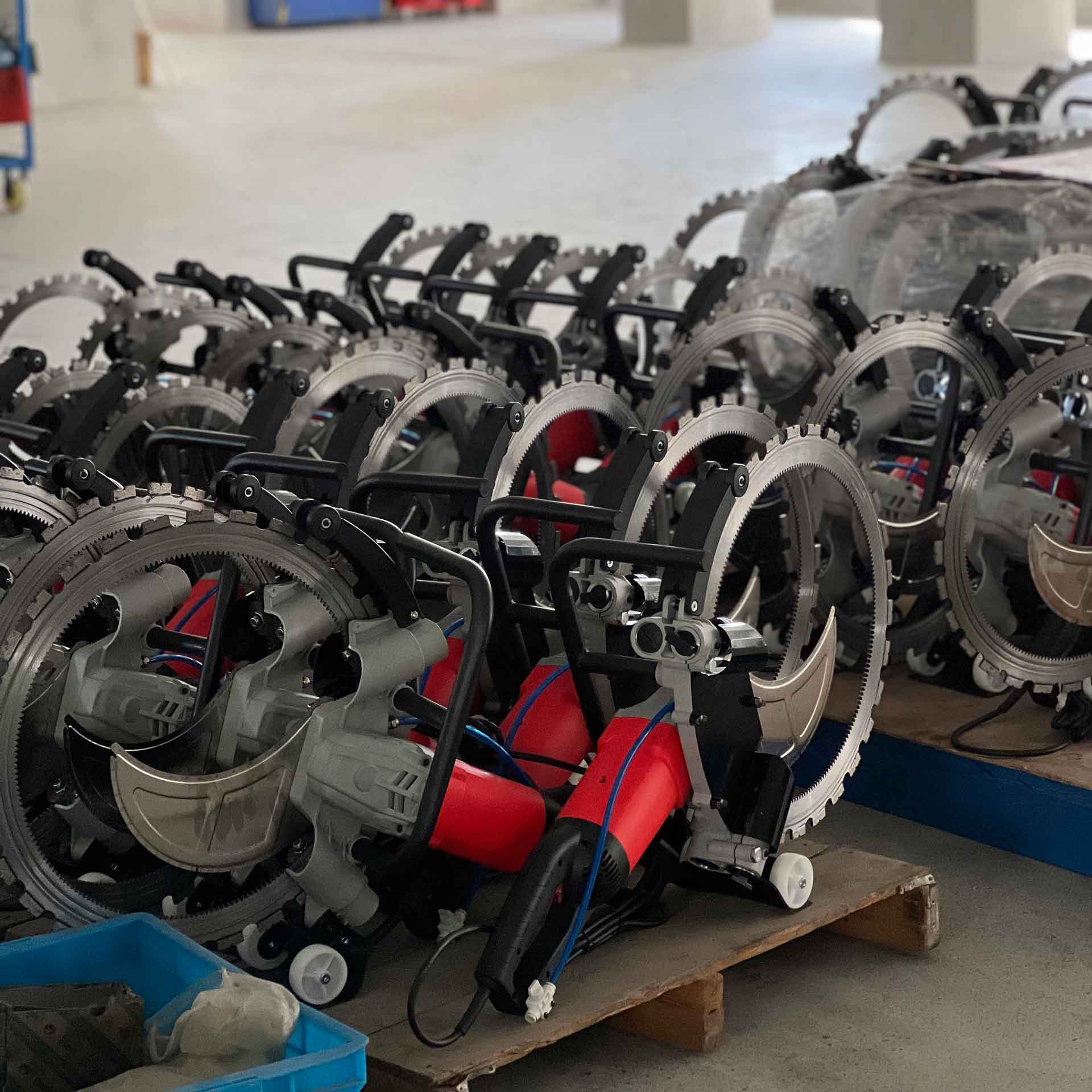
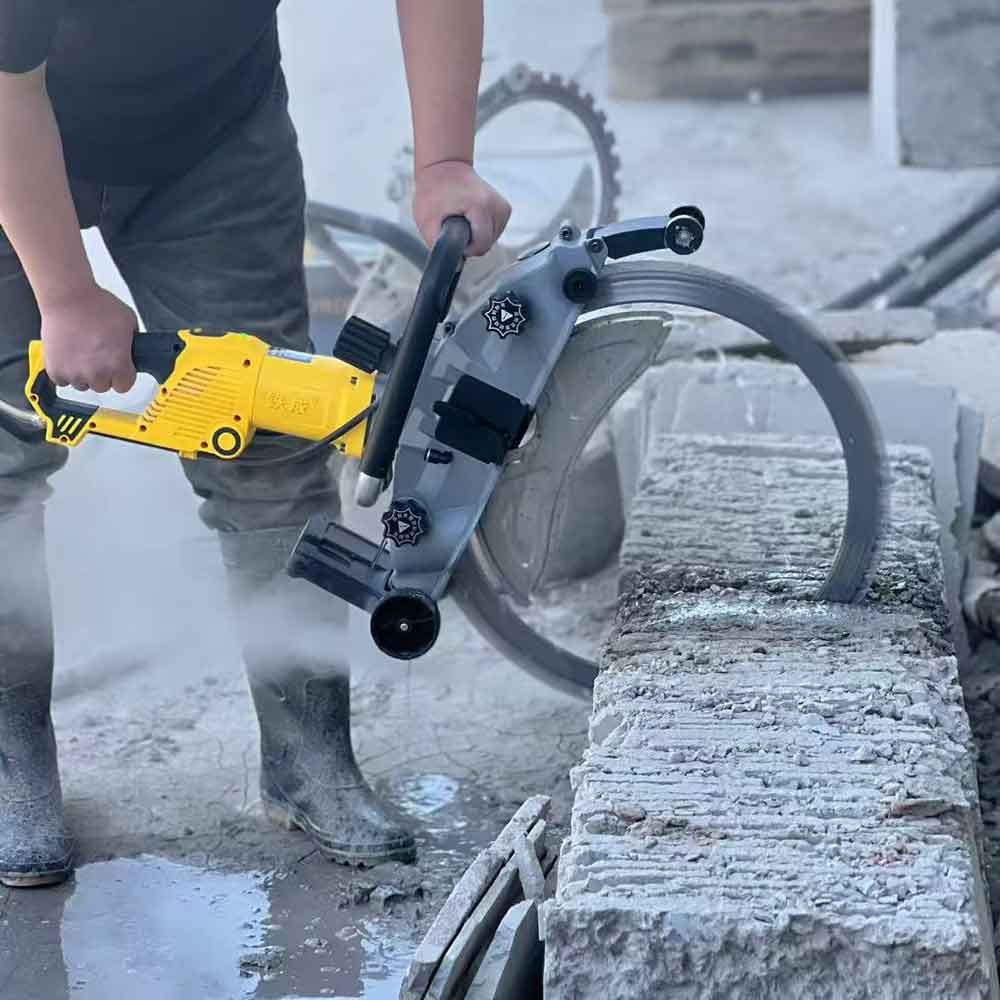
A ring saw is built for heavy-duty cutting in materials such as concrete, masonry, brick, and block. In construction settings, it is often used for wall modifications, door and window cutouts, service penetrations, and other tasks that require deeper, more controlled cuts.
Its value comes from what it allows the user to do on site. Compared with many conventional handheld saws, a ring saw reaches farther into the material and is better suited to cuts that need to be both accurate and practical for the next phase of work. This becomes especially important when the cut area will later receive a frame, sleeve, or another installed component.
That is why ring saws are commonly associated with work where rough results are not enough. The tool is not simply meant to remove material. It is meant to help shape the cut in a way that supports what comes next.
1. It Makes Deep Cutting More Practical
One of the biggest advantages of a ring saw is its ability to handle deeper cuts than many standard handheld alternatives. This is especially important in concrete walls, block partitions, masonry sections, and other situations where material thickness can quickly slow down progress.
Without enough cutting depth, the work often becomes more complicated. Multiple passes may be needed. Cuts may need to be made from both sides. Aligning everything cleanly can take more time than expected. A ring saw helps simplify that process by making deep cutting more practical in a handheld format.
That benefit becomes even more noticeable in renovation and structural modification work. Thicker materials create more resistance, and extra depth helps reduce unnecessary steps. Instead of treating the cut as a workaround, the process becomes more direct and easier to control.
2. It Produces More Usable Results for Doors, Windows, and Service Access
In construction, cutting is often only the beginning. What matters just as much is whether the finished shape works for the next stage. A doorway has to be properly formed. A window cutout has to be clean enough for installation. A service penetration has to fit with the surrounding structure.
This is where a ring saw becomes especially useful. It helps create cuts that are more suitable for real construction requirements rather than simply removing a section of material. Better corner definition, improved line control, and more effective cutting through thick walls all contribute to a result that is easier to finish and easier to build on.
That makes a noticeable difference during follow-up work. Cleaner cuts can mean less patching, less edge correction, and fewer delays once framing or installation begins. For many construction applications, that practical advantage is more important than the tool’s specifications alone.
3. It Fits Renovation and Retrofit Work More Naturally
Renovation work is rarely straightforward. Access is often limited, surrounding surfaces may need to remain intact, and the area being cut is usually part of an existing structure rather than an empty shell. Under these conditions, a tool that works well in open-space cutting may become awkward or inefficient.
A ring saw is often a better fit for this kind of environment because it combines substantial cutting capability with a more manageable form. That makes it well suited to interior alterations, upgrades to existing wall systems, service-entry modifications, and similar work where control matters as much as strength.
This is one reason ring saws are so closely linked with remodeling and retrofit projects. They align well with the realities of working inside finished or partially finished spaces, where precision and practicality need to go together.
4. It Handles Restricted Access More Effectively
Not every cut happens in a wide, open area. Construction frequently involves narrow rooms, wall-edge conditions, tight corners, and spaces where larger equipment is difficult to position. In those situations, maneuverability becomes a real advantage.
A ring saw performs well where movement is limited and positioning matters. Instead of struggling with a bulkier setup, the user can approach the cut more naturally and maintain better control over the path of the blade. That becomes particularly helpful in interior wall work, confined areas, and locations crowded by surrounding structure.
This is one of the tool’s most practical strengths. Its usefulness is not only about cutting hard material. It is also about being able to work effectively where access is limited and precision still matters.
5. It Is Well Suited to Vertical Cutting
A large amount of construction cutting takes place on walls rather than horizontal surfaces. Doorways, windows, duct penetrations, and service access points all require work on vertical material, and that creates a different set of demands than floor cutting.
The difficulty lies not only in the material itself, but in maintaining a steady line and keeping the cut clean through the full wall section. A ring saw is well suited to this type of work because it supports controlled cutting on vertical surfaces where depth and accuracy are both important.
That makes it particularly useful in wall modifications, access points, and other applications where the finished shape needs to be more than roughly acceptable. For many readers searching this topic, this is one of the clearest reasons to consider a ring saw over a more basic alternative.
6. It Can Reduce Follow-Up Work
One of the most practical benefits of using a ring saw in construction is what happens after the cut is finished. In many cases, the real cost of poor cutting shows up later, when edges need to be corrected, surfaces need patching, or installed components do not fit as cleanly as expected.
A ring saw can help reduce that extra work by making it easier to achieve straighter lines, better corner transitions, and a more controlled cut from the start. It does not eliminate the need for skill, but it does support a cleaner result when the application is right.
From a productivity standpoint, that matters. Time saved after cutting can be just as valuable as time saved during cutting, especially when multiple trades depend on the finished shape being ready for the next step.
7. It Works Across a Range of Common Construction Materials
Construction projects often involve more than one substrate. A single scope of work may include reinforced concrete, blockwork, masonry walls, or brick sections. A cutting tool that only suits one narrow application can quickly become limiting.
A ring saw is practical because it fits a broad range of common construction materials. That versatility makes it useful across different types of wall systems and site conditions, especially where deep or controlled cutting is needed.
This broader material compatibility is part of what makes the tool valuable in day-to-day construction work. Instead of being limited to one highly specific task, it can support a wider range of cutting requirements across renovation, structural modification, and service-related work.
8. It Becomes More Valuable When Cut Quality Matters
Not every project needs a specialized tool. For simple shallow cuts in open conditions, a standard handheld saw may be enough. The advantage of a ring saw becomes much clearer when the quality of the finished cut matters as much as basic cutting speed.
That includes doorway preparation, window enlargement, service-entry cutting, vertical wall penetrations, and structural alterations where clean geometry and better control make the next phase easier. In these situations, the tool is not being judged only on whether it cuts. It is being judged on whether it helps produce a result that is easier to finish, install, and work with afterward.
That is where a ring saw often proves its value.
Ring Saw vs. Standard Handheld Saw: When Does the Difference Matter?
A ring saw is not the right answer for every situation, and saying that clearly improves trust. For straightforward shallow cuts in open space, a standard handheld saw may be fully adequate.
The difference becomes more obvious when the material is thicker, the cut is vertical, the space is limited, or the final shape needs to be cleaner and more installation-ready. Under those conditions, a ring saw often offers a more practical balance of depth, control, and site usability.
That is the real point of comparison. The advantage is not universal. It appears most clearly when cutting conditions become more demanding and when the finished result has a direct effect on the rest of the project.
When Should You Use a Ring Saw in Construction?
A ring saw is especially useful when the work involves:
• forming doorways in concrete or masonry walls
• enlarging window cutouts during renovation
• creating penetrations for ducts, pipes, or utility lines
• modifying existing wall sections in retrofit projects
• working in confined interior areas
• cutting thicker material with better handheld control
In short, it is most valuable in situations where access is limited, wall thickness is significant, or the finished cut needs to be cleaner and more practical for what comes next.
Conclusion
The advantages of using a ring saw in construction are practical rather than theoretical. It makes deep cutting easier to manage, suits confined work areas more effectively, performs well on vertical surfaces, and helps create cleaner results for doorways, window cutouts, and service penetrations.
It also supports a smoother overall process by reducing the amount of correction and finishing that poor cuts often create. For concrete wall cutting, masonry modifications, renovation work, and structural changes where depth and control both matter, a ring saw is often a highly effective choice.
FAQs
What is the main advantage of a ring saw in construction?
Its main advantage is that it makes deep, controlled cutting more practical in concrete and masonry applications where standard handheld saws can be more limited.
Is a ring saw good for wall cutting?
Yes. It is especially useful for wall modifications, doorways, window cutouts, and service penetrations because it handles vertical cutting and thicker sections more effectively.
Why is a ring saw useful in renovation work?
Renovation often involves confined spaces, existing structures, and cuts that need better control. A ring saw is well suited to those conditions.
Is a ring saw better than a standard handheld saw?
That depends on the task. For simple shallow cuts, a standard saw may be enough. For deeper wall cuts, tighter spaces, and cleaner finished shapes, a ring saw often has the advantage.
Can a ring saw be used on concrete and masonry?
Yes. Ring saws are commonly used on concrete, masonry, brick, and block in construction applications.