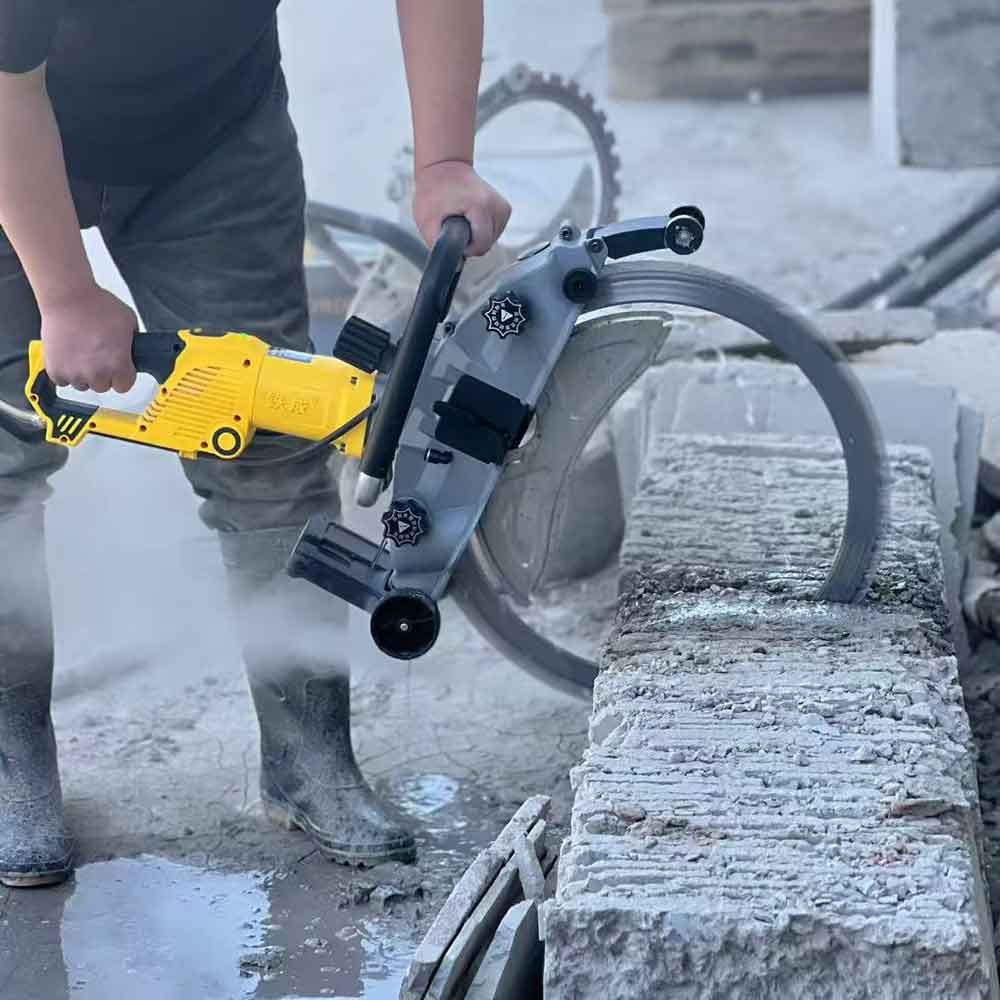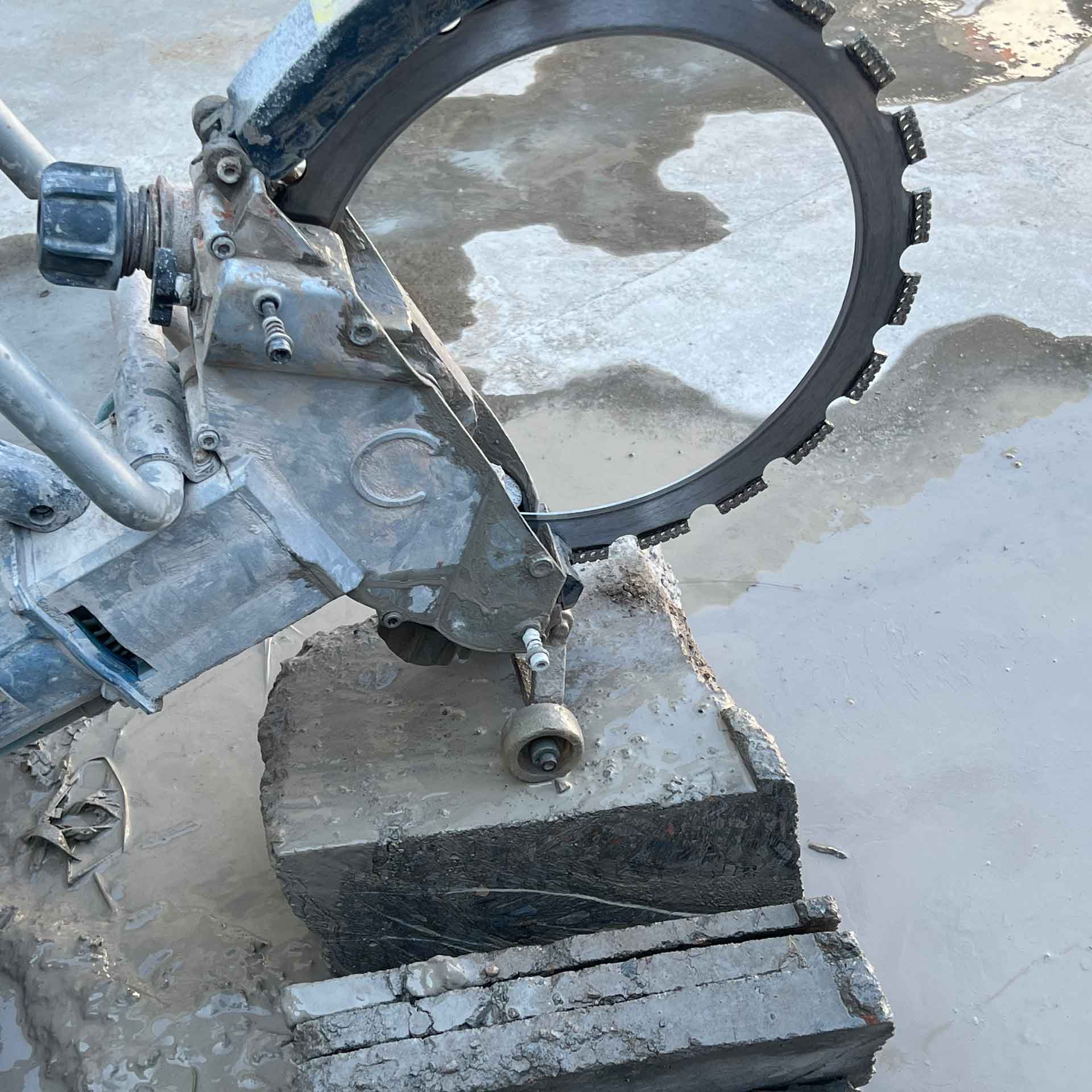
When contractors, demolition teams, and renovation professionals look at a ring saw for the first time, one of the first questions is simple: what materials can a ring saw actually cut? The answer affects tool selection, cutting efficiency, blade life, jobsite safety, and the overall quality of the work.
A ring saw is not a general-purpose saw for every material on site. In construction and structural work, it is mainly used for deep cutting in dense building materials that are difficult to handle with standard circular saws. This makes it especially useful for wall openings, floor slab cuts, pipe access, selective demolition, and other tasks where cutting depth and control are important.
In most construction settings, a ring saw is commonly used on concrete, brick, masonry block, natural stone, and in some cases asphalt or pavement materials. Knowing where it performs best helps buyers and operators choose equipment that matches real jobsite needs.
This guide covers the materials a ring saw can cut, the conditions where it performs well, and the factors that influence cutting results on site.
Why Material Compatibility Matters When Choosing a Ring Saw
Material compatibility has a direct effect on cutting speed, blade wear, work quality, and operating stability. A ring saw may be suitable for a wide range of hard construction materials, but actual performance depends on more than power alone. Material hardness, thickness, density, moisture conditions, and blade selection all affect the result.
Cutting a concrete block wall is not the same as cutting a thick poured concrete section. A brick opening in a renovation project behaves differently from a deep cut in a floor slab. Some materials create more resistance, some wear blades faster, and some require better cooling and dust control. On real jobsites, the question is not only whether a ring saw can cut a material, but whether it can do the job efficiently and consistently under working conditions.
This is why ring saws are most often chosen for dense materials, deeper cuts, tighter access, and structural cutting tasks. In those situations, the material itself plays a major role in determining whether a ring saw is the right choice.
Can a Ring Saw Cut Concrete
Yes. Concrete is one of the most common and most suitable materials for ring saw use. For many contractors, ring saws are closely associated with concrete cutting applications because they offer greater cutting depth than many traditional handheld circular saws.
Concrete appears in many jobsite situations, including structural walls, floor slabs, foundations, stairs, beams, utility channels, curbs, and precast components. In these cases, the challenge is often a combination of hardness, thickness, and access. A ring saw can make deep, controlled cuts in concrete without immediately requiring a much larger walk-behind or wall-mounted system.
Concrete Walls and Structural Openings
One of the most common uses of a ring saw is creating or enlarging openings in concrete walls. Contractors often cut for doors, windows, ventilation openings, inspection points, utility access, or renovation modifications. In these applications, the ring saw is valued for its ability to cut deeper into wall sections and reduce the number of passes needed to complete the opening.
This is especially useful in building upgrades, commercial remodeling, and infrastructure retrofits where wall penetrations must be made accurately. On thick wall sections, a ring saw can improve efficiency and simplify the cutting process.
Floor Slabs and Surface Cuts
Concrete floor slabs are another common application. Projects may involve trench preparation, access for plumbing or electrical work, localized demolition, or slab correction. In these situations, the saw provides the cutting depth needed for more demanding work. Dense, aged concrete can also be difficult for shallow tools, while a ring saw offers better penetration and steadier progress.
Why a Ring Saw Works Well on Thick Concrete
A ring saw performs well on concrete because it is built for deep cutting in heavy building material. Standard circular saws are useful, but their cutting depth becomes a limitation as material thickness increases. A ring saw is often chosen when the concrete is too thick, the opening is too demanding, or the work would become inefficient with a conventional blade format. For thick walls, structural sections, and deeper slab cuts, concrete is one of the materials where a ring saw shows its clearest advantage.
Can a Ring Saw Cut Brick, Masonry, and Block
Yes. Brick, masonry, and concrete block are all common materials that a ring saw can cut effectively. In renovation and remodeling projects, these are often among the most practical ring saw applications because walls made from brick or block frequently need to be opened, enlarged, corrected, or partially removed.
Brick and masonry work is not limited to surface scoring. Older walls can be thick, uneven, and structurally dense. Utility retrofits may require deeper penetrations, and door or window changes often involve cutting through full wall sections rather than thin veneer. In those situations, a ring saw offers more practical cutting depth than many standard handheld saws.
Red Brick and Clay Brick
Brick walls are common in residential renovation, commercial conversions, and historical building upgrades. Contractors may need to change opening sizes, add utility access points, or remove sections cleanly without causing unnecessary damage around the target area. A ring saw suits these jobs well because it cuts deeper into the wall body and improves efficiency on heavier masonry sections.
Concrete Block and Hollow Block
Concrete block, cinder block, and hollow block are widely used in commercial and industrial structures. These materials may be easier than thick poured concrete, but they still require a stable and capable tool when the work involves deep cuts or repeated openings. A ring saw is useful for service penetrations, access modifications, wall corrections, and demolition preparation in block structures.
Why Ring Saws Are Useful for Masonry Work
The benefit of a ring saw in masonry work comes from its ability to handle thicker wall sections and deeper cuts. When the task involves cutting through a substantial wall rather than trimming a surface layer, the ring saw becomes a more capable option. For renovation teams, demolition crews, and structural installers, brick and block are among the most practical materials for this type of saw.
Can a Ring Saw Cut Natural Stone
Yes. A ring saw can cut many types of natural stone, especially in construction-oriented applications. Stone walls, structural stone elements, and heavy stone-based building materials can all fall within its practical range.
Its use here is generally tied to jobsite cutting, structural modification, and heavy material removal, rather than decorative finish work. In construction settings, the focus is usually on penetration, access, and material removal instead of polished edges or fine detail.
Stone Walls and Structural Stone Work
In some building and landscaping projects, contractors need to cut through natural stone walls, thick stone-faced elements, or dense stone sections used in architectural construction. These materials can be demanding because of their density and abrasiveness. A ring saw can be effective when the work requires depth, durability, and strong cutting performance.
Hard Stone Versus Softer Masonry Materials
Not all stone behaves the same way. Granite is much harder and more demanding than limestone or sandstone. Denser materials increase blade wear and reduce cutting speed, so the exact stone type has a direct influence on performance. A ring saw may still be a good option, but the setup and expectations should match the hardness of the material.
When a Ring Saw Makes Sense for Stone
A ring saw is a practical choice for stone when the material is thick, the work takes place on site, and the project involves openings, structural cuts, removal, or access preparation. In these conditions, stone remains a valid and useful part of the ring saw material range.
Can a Ring Saw Cut Asphalt and Road Materials
In some cases, yes. Asphalt and certain road or pavement materials can also be cut with a ring saw, particularly in repair work, utility access, and localized roadwork applications. This can be useful in municipal work, maintenance projects, and situations where a deep handheld cut is needed in a confined area.
Road Repair and Utility Access Work
When pavement needs to be opened for utility repair, buried service access, or a localized road surface cut, a ring saw may be useful depending on the material condition and blade setup. In smaller access tasks where a large road saw is not practical, the ring saw offers portability and depth. This is helpful in maintenance zones, restricted work areas, or jobsites with limited maneuvering space.
Asphalt Versus Concrete Conditions
Asphalt behaves differently from concrete. It can be softer in some conditions, more temperature-sensitive, and different in the way it wears the blade. Whether a ring saw is suitable depends on the saw setup, blade choice, and site conditions. In many cases it can be used effectively, but the application should still be evaluated based on the actual road material and working environment.
What Materials Are Best Suited for a Ring Saw
A ring saw is best suited for dense, thick, mineral-based construction materials where deep cuts are required. The most common and most practical materials include:
- concrete
- brick
- masonry block
- cinder block
- natural stone
- asphalt in certain applications
These are the materials where a ring saw offers the most value. It is especially effective when the job involves wall penetrations, slab cuts, opening creation, demolition preparation, renovation work, or other deep-cutting tasks. The main advantage is not simply material hardness, but the need for substantial cutting depth in demanding site conditions.
Ring Saw Material Compatibility Table
| Material | Can a Ring Saw Cut It | Typical Application | Notes |
|---|---|---|---|
| Concrete | Yes | Walls, slabs, floors, openings | One of the most common applications |
| Brick | Yes | Wall openings, renovation, corrections | Effective on thick brick walls |
| Concrete Block | Yes | Service openings, remodeling, demolition | Useful on commercial and industrial wall systems |
| Natural Stone | Yes | Structural stone cutting, wall modification | Performance depends on stone hardness |
| Asphalt | Yes, in some cases | Road repair, utility access, pavement work | Application depends on setup and material condition |
| Wood | Not ideal | General carpentry | Outside the main intended use |
| Thin decorative sheet material | Not ideal | Fine finish work | Better handled by other tools |
What a Ring Saw Is Not Designed to Cut
A ring saw is designed for demanding construction materials, but it is not the right tool for every cutting task. In practical jobsite use, it is better suited to dense mineral-based materials than to lighter, softer, or more precision-focused applications.
It is generally not intended for wood cutting, finish carpentry, thin decorative sheet materials, or precision metal fabrication. These materials call for different cutting methods and different types of tools.
It is also useful to distinguish a construction ring saw from smaller tools used in glass work, jewelry making, or hobby applications. In construction settings, a ring saw is mainly used for deep cutting in concrete, masonry, stone, and similar heavy building materials.
What Factors Affect How Well a Ring Saw Cuts Different Materials
Even when a material is suitable for a ring saw, actual cutting results still depend on job conditions. Two operators may both be cutting concrete and still get different results because of thickness, blade quality, or cooling conditions.
Material Density and Hardness
Denser and harder materials create greater resistance. High-strength concrete, granite, and older structural material may cut more slowly and wear the blade more aggressively than lighter masonry or softer stone. Material hardness affects productivity, operator control, and blade life.
Material Thickness
Thickness is one of the main reasons users choose a ring saw. The thicker the material, the more valuable deep cutting capability becomes. On thin or shallow cuts, the ring saw may still work well, but its strongest advantage appears when a standard circular saw begins to run out of effective depth.
Blade Quality and Compatibility
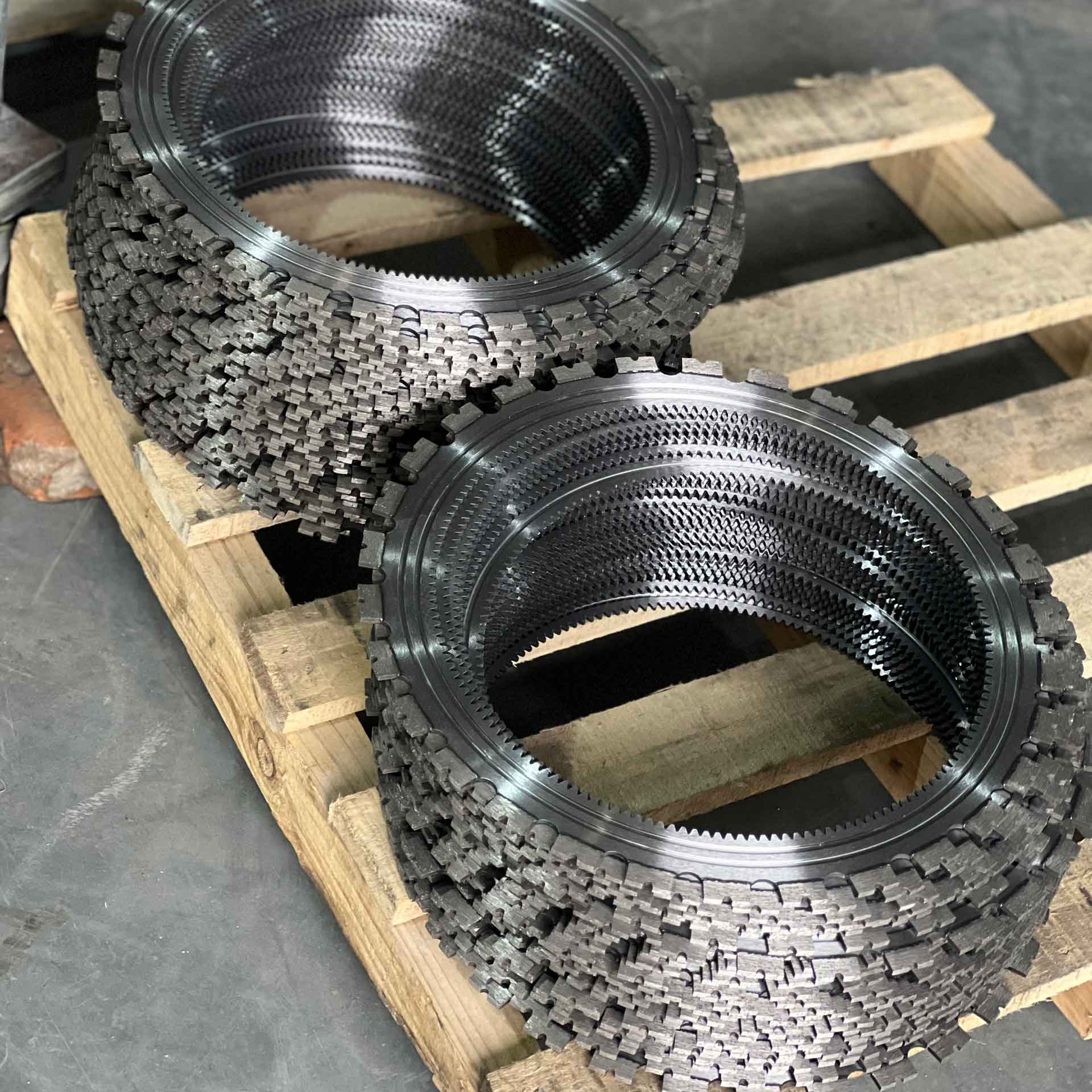
The saw itself matters, but blade choice is just as important. The right blade setup helps maintain cutting speed, improve durability, and reduce unnecessary stress on the equipment. A poor blade match can make even a powerful saw feel inefficient on an otherwise suitable material.
Wet Cutting and Dust Control
Cooling and dust suppression influence both performance and safety. On real jobsites, managing heat, slurry, and airborne dust is part of successful cutting. These factors become even more important when working on dense concrete, thick masonry, or long continuous cuts.
Typical Jobsite Applications for Ring Saw Cutting
Most ring saw applications are tied directly to practical site work. Contractors usually choose this type of saw when they need deeper cuts in hard construction materials under real project conditions.
Door and Window Openings
Concrete, brick, and block walls often need modified openings during renovation and structural upgrades. A ring saw is well suited to these tasks because the work typically requires depth, stability, and the ability to cut through heavy wall sections efficiently.
Pipe and Utility Installation
Mechanical, plumbing, and electrical projects often require penetrations through concrete or masonry. A ring saw can help create access for pipes, conduit, drains, vents, and service lines where deep cuts are needed in dense materials.
Demolition and Remodeling Work
Selective demolition is one of the most practical uses for a ring saw. Instead of removing large sections indiscriminately, the saw helps make controlled cuts exactly where structural changes are needed. This is useful in interior renovation, facility updates, and controlled removal work.
Road and Pavement Repair
In maintenance and municipal settings, a ring saw may be used for localized access cuts, pavement openings, or trench preparation in confined areas. Where larger road-cutting equipment is not practical, it can provide a portable solution for certain field conditions.
Ring Saw vs Circular Saw for Different Materials
Many buyers compare a ring saw with a circular saw because both are used in heavy construction cutting. The key difference usually comes down to cutting depth and suitability for more demanding structural tasks.
A standard circular saw performs well on many routine concrete and masonry applications. However, when the material becomes thicker, the cut becomes deeper, or the opening becomes more structural, limited cutting depth can become a disadvantage. A ring saw is often chosen because it can reach farther into the material in fewer passes.
For thick concrete walls, deep masonry openings, and demanding renovation work, the ring saw is often the stronger option. For shallow or simpler cuts, a circular saw may still be sufficient. The right choice depends on the combination of material type, material thickness, and the actual job objective.
Ring Saw vs Circular Saw by Material and Application
| Material or Application | Ring Saw | Circular Saw | Better Choice |
|---|---|---|---|
| Thick concrete wall | Strong performance | Limited by depth | Ring saw |
| Brick wall opening | Very suitable | Suitable for shallow work | Ring saw for thicker sections |
| Concrete slab cut | Very useful for deeper tasks | Good for lighter slab work | Depends on depth |
| Natural stone structural cut | Suitable | Limited in thicker sections | Ring saw |
| Shallow surface concrete cut | Suitable | Often sufficient | Depends on job scope |
| Utility opening in masonry | Strong performance | May require multiple passes | Ring saw |
How to Choose the Right Ring Saw for the Materials You Need to Cut
Choosing the right ring saw starts with the materials you cut most often. Contractors who mainly handle plain concrete may prioritize one setup, while those who frequently cut heavy masonry may need a more robust configuration. The best choice comes from the actual demands of the work rather than from power claims alone.
If your typical projects involve concrete, a saw designed for heavy-duty structural cutting and deep penetration will usually be the better fit. If you often cut brick, block, and masonry walls, it helps to consider how often wall openings and service penetrations are part of the work. If your projects include road repair or utility access, portability and site handling may become more important.
Working environment also matters. Some jobs involve indoor renovation, others outdoor demolition, and others confined access in active construction zones. The right ring saw depends not only on what it can cut, but also on how often, how deep, and under what site conditions it will be used.
Conclusion
A ring saw is best suited for concrete, brick, masonry block, natural stone, and in some cases asphalt or pavement materials.
Its main advantage is not simply that it cuts hard material. It performs especially well when depth, density, and structural demands make standard handheld saws less efficient. For thick walls, concrete sections, masonry openings, and other heavy-duty jobsite tasks, a ring saw provides a practical cutting solution for demanding conditions.
For contractors and equipment buyers, material type is only part of the decision. Thickness, site access, job scope, and required cutting depth all matter. When the material is tough and the cut needs to go deeper than a standard saw can comfortably handle, a ring saw becomes a highly useful option.
Frequently Asked Questions About Ring Saw Cutting Materials
Can a ring saw cut brick walls
Yes. Brick walls are one of the practical materials a ring saw can cut, especially when the work involves deeper wall openings, remodeling, or service penetrations.
Is a ring saw good for stone cutting
A ring saw can be effective for natural stone in construction and structural applications, especially when the material is thick and the work is performed on site rather than in a precision finishing environment.
Can a ring saw cut asphalt
In some cases, yes. A ring saw can be used for asphalt and pavement cutting in maintenance, repair, and utility access work, depending on blade setup and site conditions.
What material is a ring saw best for
Concrete is one of the best and most common materials for ring saw use. Brick, masonry block, and certain types of natural stone are also well suited to the tool.