Choosing the right saw is not just about blade size or motor power. In real construction and masonry work, the difference between one cutting tool and another can directly affect efficiency, cut quality, labor time, and even the final finish of the job. That is why many contractors, distributors, and equipment buyers compare ring saw vs circular saw before making a purchase decision.
At first glance, both tools may seem to do similar work because they both use diamond blades and are both used in cutting hard materials. However, their structures, cutting depth, and ideal applications are very different. A ring saw is often selected for deep concrete cutting, wall openings, and jobs where reduced overcut matters. A traditional circular saw, on the other hand, is widely used for general-purpose cutting, standard straight cuts, and more routine site work.
In this guide, we will explain the difference between a ring saw and a circular saw, compare their cutting performance, show where each one works best, and help you decide which tool fits your project better.
Why Comparing Ring Saw vs Circular Saw Matters
Many buyers do not start by asking what a ring saw is. They start with a practical question: Which saw should I choose for this job? That question usually comes up when the cutting task involves concrete walls, reinforced sections, brick openings, renovation work, or deep penetration cuts.
This is where the comparison becomes important. A standard circular saw may be enough for surface cuts or general site work, but when cutting depth becomes the priority, its limitations appear quickly. A ring saw is designed to solve this exact problem. It allows deeper cuts while helping reduce the overcut often seen with conventional circular blade systems.
So the real issue is not whether one tool is always better than the other. The real issue is understanding when to use a ring saw vs circular saw, and choosing the one that fits the material, thickness, jobsite condition, and budget.
What Is a Ring Saw?
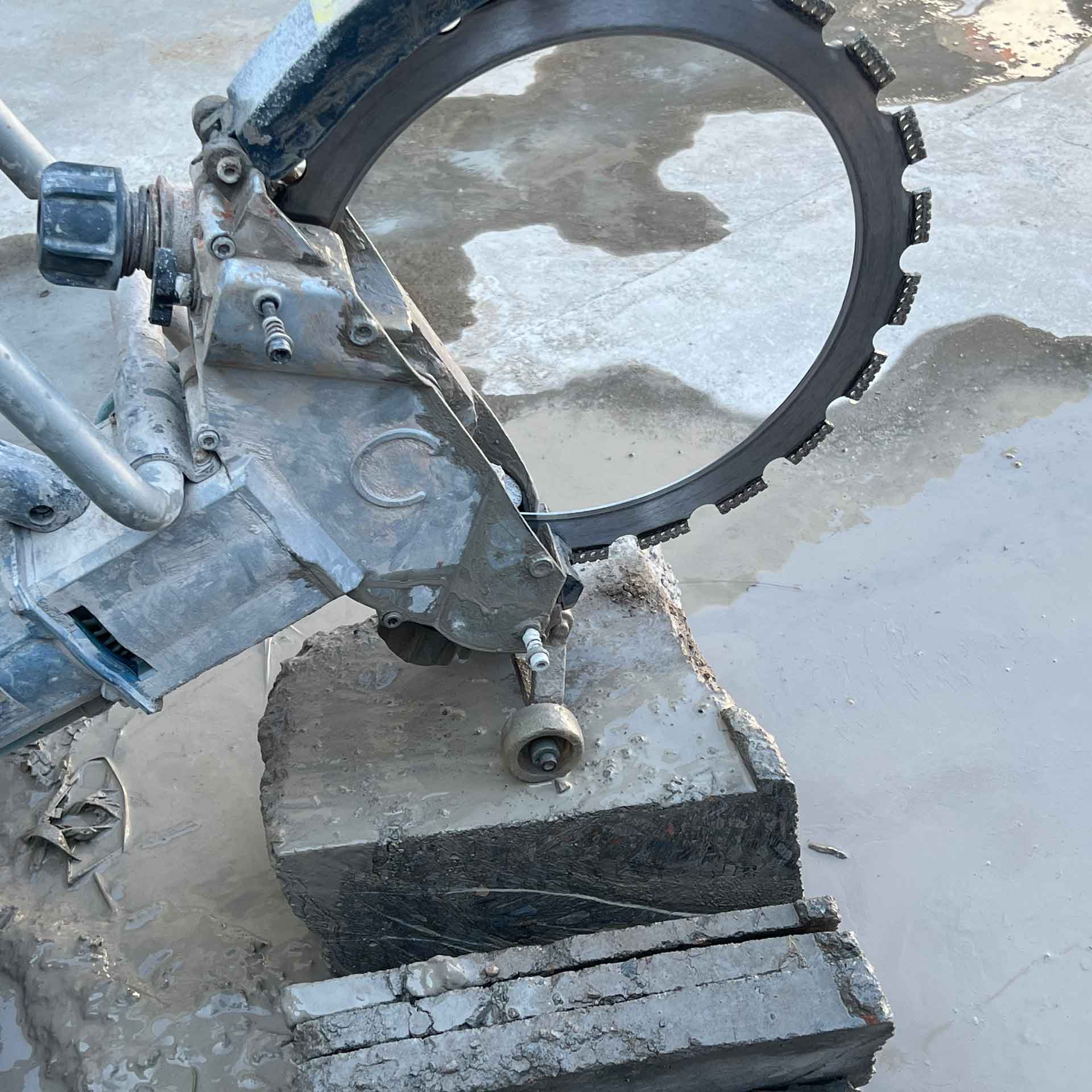
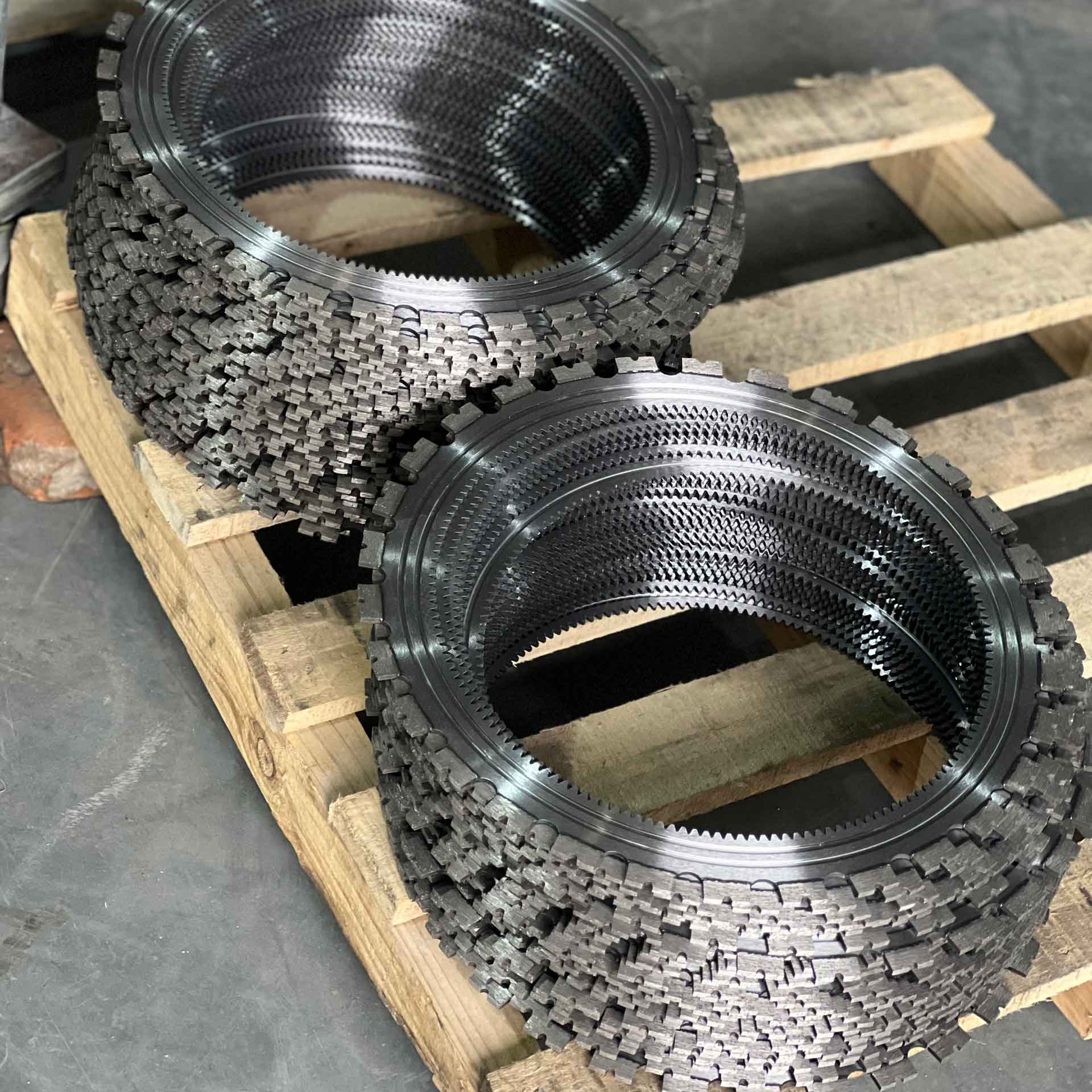
A ring saw is a specialized cutting tool designed for deep cutting in concrete, masonry, and similar hard construction materials. Unlike a standard saw blade mounted on a center arbor, a ring saw uses a blade with an open center. This design allows the drive system to work differently and makes it possible to achieve greater cutting depth compared with a traditional circular saw of similar external size.
How a Ring Saw Works
The key difference in a ring saw is the blade structure. Instead of relying on a center-mounted blade, the ring blade is driven from its edge. Because the middle of the blade is open, the saw can use more of the blade diameter for actual cutting depth. This is one of the main reasons contractors choose a deep cut ring saw for demanding jobs.
This design is especially useful in applications where thick walls, deep openings, or cleaner corner access are required.
Common Applications of a Ring Saw
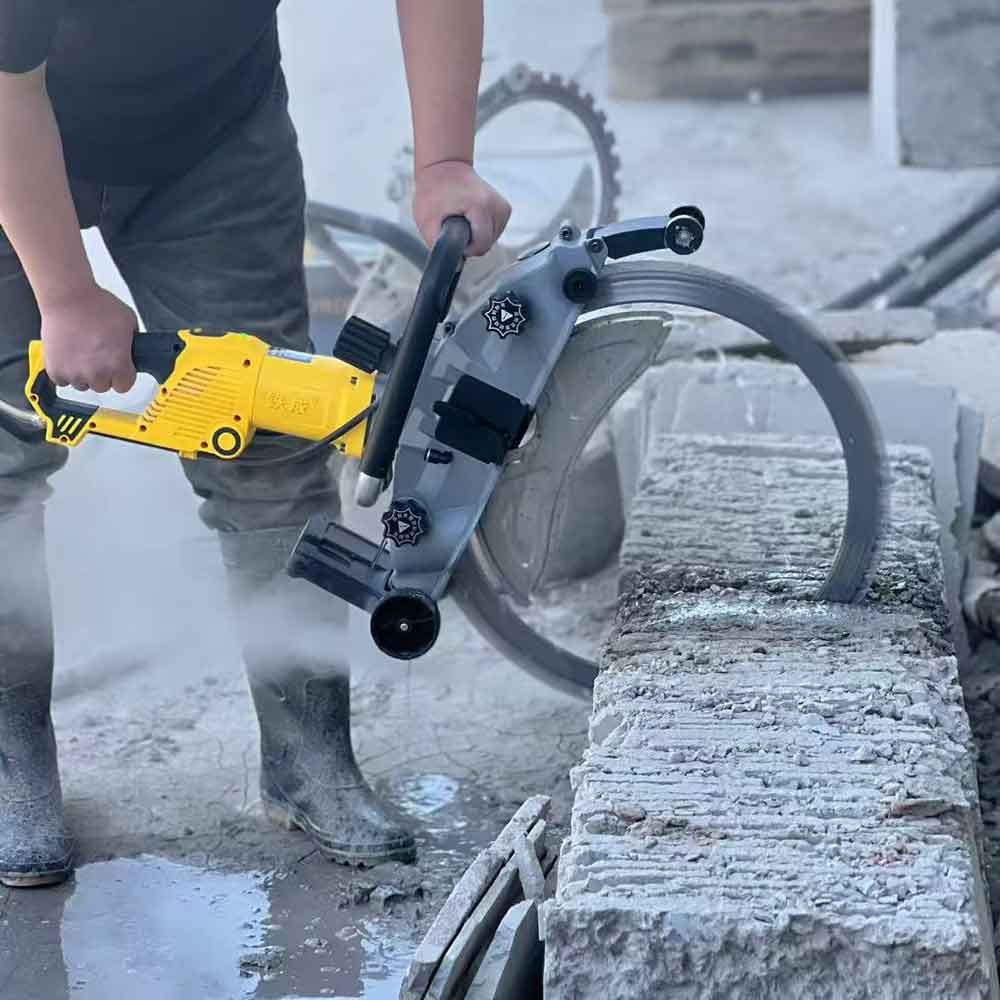
A ring saw for concrete is commonly used in applications such as:
- door openings in concrete walls
- window openings in masonry walls
- cutting reinforced concrete sections
- renovation and demolition work
- utility access openings
- deep plunge-style cuts in thick materials
Main Advantages of a Ring Saw
The biggest advantage of a ring saw is not that it can cut hard materials. Many saws can do that. Its real value lies in how it handles difficult cutting conditions. It is often preferred because it offers:
- deeper cutting capability
- better suitability for thick concrete
- reduced overcut in opening work
- stronger performance in wall penetration jobs
- better fit for specialized masonry and structural cutting
What Is a Circular Saw?
A circular saw uses a standard round blade mounted at the center. It is one of the most familiar cutting tool designs in construction and industrial work. Depending on the machine type and blade specification, it can be used for wood, metal, masonry, and concrete-related tasks.
In the context of ring saw vs circular saw, we are mainly referring to a traditional circular saw used for construction cutting rather than light woodworking only.
How a Circular Saw Works
A circular saw blade rotates around a central arbor. This design is simple, proven, and widely available. It works well for many straight cutting tasks, especially where the required cut depth is not extreme.
Because the blade is mounted from the center, part of its diameter is occupied by the arbor structure, which limits how much of the blade can be used for actual cutting depth.
Common Applications of a Circular Saw
A standard circular saw is commonly used for:
- general site cutting
- routine straight cuts
- shallower cuts in masonry materials
- standard cutting applications where deep penetration is not required
- broad-purpose contractor work
Main Advantages of a Circular Saw
A circular saw remains popular because it is practical and familiar. Its main strengths include:
- simple and proven design
- lower initial equipment cost in many cases
- broad availability
- easier operator familiarity
- strong value for general-purpose cutting work
What Is the Difference Between a Ring Saw and a Circular Saw?
The main difference between a ring saw and a circular saw is the blade and drive design, and that difference affects nearly everything else: cutting depth, overcut, cost, and best-use scenarios.
| Feature | Ring Saw | Circular Saw |
|---|---|---|
| Blade Design | Ring-shaped blade with open center | Standard round blade with center arbor |
| Cutting Depth | Deeper for similar blade size | More limited by blade radius and arbor |
| Overcut Control | Better for opening work | More overcut in corner cuts |
| Best For | Deep concrete and masonry cutting | General cutting and routine jobs |
| Cost | Usually higher | Usually lower |
| Maintenance | More specialized | More common and straightforward |
| Jobsite Role | Specialized performance tool | Versatile general-purpose tool |
Blade Design and Drive System
A ring saw uses a ring blade that is driven differently from a standard circular blade. This is not just a design detail. It directly affects how deep the saw can cut and how it performs in structural opening work.
A circular saw uses a more familiar blade mounting system and is easier to maintain in broad everyday use. However, its design places natural limits on deep cutting.
Cutting Depth Differences
If you compare ring saw cutting depth with circular saw cutting depth, the ring saw usually wins clearly. This is its strongest advantage. When people ask, can a ring saw cut deeper than a circular saw, the answer is generally yes.
That deeper reach becomes highly valuable when cutting thick walls, deep channels, and reinforced concrete openings where repeated passes would otherwise slow the job down.
Precision and Overcut
Overcut matters in real construction work, especially in door openings, window openings, and square penetration cuts. A ring saw can help reduce excessive corner overcut compared with a larger conventional circular blade approach. This does not mean overcut disappears entirely in every situation, but it does mean better control in many specialized opening jobs.
Mobility and Ease of Use
A circular saw is often more familiar to operators and is easier to integrate into general workflows. A ring saw is usually more specialized. It may not be the first choice for every daily cutting task, but it becomes a strong option where standard tools start to show limitations.
Ring Saw vs Circular Saw Cutting Depth
When buyers compare these tools, cutting depth is often the deciding factor.
Why Cutting Depth Matters
In wall cutting, pipe opening work, slab penetration, and renovation jobs, insufficient cutting depth creates extra labor. Operators may need to cut from both sides, repeat passes, or finish sections manually. That adds time, increases tool wear, and may reduce overall cutting accuracy.
Why Ring Saws Usually Cut Deeper
A ring saw is designed to deliver more usable cutting depth from the blade diameter. Because of its open-center structure, it can penetrate deeper into thick material than a conventional circular saw of similar size. That is why it is often selected as a deeper cutting saw for concrete professionals.
When Circular Saw Depth Is Enough
That said, not every job requires maximum depth. If the task involves surface cuts, lighter penetration, or general material separation, a circular saw may be more than enough. In those cases, paying more for specialized depth may not deliver meaningful value.
| Cutting Need | Better Choice |
|---|---|
| Deep wall opening | Ring saw |
| Thick reinforced concrete section | Ring saw |
| Standard straight shallow cut | Circular saw |
| Everyday contractor work | Circular saw |
| Precision opening with reduced overcut | Ring saw |
Ring Saw vs Circular Saw for Concrete and Masonry
Concrete and masonry jobs are where this comparison matters most.
Which Saw Is Better for Concrete Walls?
If you are cutting thick concrete walls, a ring saw is often the stronger choice. It is better suited for deep penetration and structural opening work. A circular saw can still be used for concrete cutting, but once the wall thickness increases, the limitations of standard blade depth become more obvious.
Which Saw Is Better for Brick and Block?
For brick and block, the right answer depends on cut depth and the nature of the opening. If the work is relatively shallow and straightforward, a circular saw may handle it well. If the job requires deeper penetration or cleaner opening geometry, a ring saw becomes more attractive.
Which Saw Is Better for Reinforced Concrete?
Reinforced concrete is always demanding. Blade quality, saw power, wet or dry operation, and operator technique all matter. Still, for thick reinforced sections, a ring saw often has the advantage because deeper access reduces the need for repeated cutting.
When to Use a Ring Saw Instead of a Circular Saw
A ring saw is usually the better option when the cutting task is specialized rather than general.
Use a Ring Saw for Door and Window Openings
If the job involves creating openings in walls, the ring saw has a clear advantage. It is often better for door openings, window openings, and structural penetrations where depth and corner control matter.
Use a Ring Saw for Thick Concrete and Deep Cuts
When material thickness increases, the value of a ring saw becomes easier to justify. If you regularly work with deep cuts in concrete or masonry, a ring saw can improve job efficiency and reduce repeat passes.
Use a Ring Saw in Confined or Awkward Cutting Conditions
Some opening tasks are performed in restricted positions where access is difficult. In these conditions, a ring saw may offer better practical reach for the cut that needs to be made.
Use a Ring Saw When Specialized Productivity Matters
For contractors who do frequent wall opening or deep cutting jobs, the ring saw is not just a tool upgrade. It is a productivity decision.
When a Circular Saw May Be the Better Choice
A circular saw still makes sense for many users.
For General Purpose Cutting
If you need a tool for broad daily use across different materials and standard site work, a circular saw offers versatility and simplicity.
For Lower Initial Equipment Cost
A circular saw is often more budget-friendly at the start. For buyers who do not need deep cutting every day, this may be the more practical choice.
For Simpler Operation and Familiarity
Because circular saws are more common, operators are usually more comfortable with them. Spare parts, blades, and service support are also easier to source in many markets.
For Jobs That Do Not Require Maximum Depth
If the required cut depth is moderate, the circular saw may deliver everything you need without the extra cost of a specialized solution.
Ring Saw Advantages Over Circular Saw
The ring saw advantages over circular saw become most obvious in professional concrete and masonry work. These include:
- deeper cutting capability
- reduced overcut in opening tasks
- better performance in thick wall cutting
- improved suitability for structural openings
- stronger efficiency in specialized deep-cut applications
A ring saw is not automatically better for every project, but it often becomes the better tool when depth, thickness, and opening accuracy become the priority.
Circular Saw Advantages Over Ring Saw
To make a fair comparison, it is also important to recognize where the circular saw performs better.
- lower initial cost
- more common and widely available
- easier to maintain in general markets
- stronger fit for everyday contractor needs
- simpler adoption for operators already familiar with standard saw systems
For many buyers, especially those doing mixed or less specialized work, these are significant benefits.
Ring Saw vs Circular Saw Cost, Maintenance, and Blade Considerations
Buying the right saw is not just about cutting ability. Ownership cost matters too.
Initial Equipment Cost
A ring saw is usually more expensive than a circular saw. This is one reason some buyers hesitate, especially if they are not sure how often they will need deep-cut capability.
Blade and Consumable Cost
Ring saw blade systems are generally more specialized. A circular saw usually benefits from broader blade availability and more common price points. Buyers should always evaluate blade replacement cost, expected lifespan, and compatibility before choosing a machine.
Maintenance and Service Needs
A circular saw is often easier to maintain in standard equipment channels. Ring saw maintenance can be more application-specific and may require closer attention to the correct blade and operating conditions.
Long-Term Value by Job Type
If your projects frequently involve concrete wall openings, thick structural sections, or specialized masonry cutting, the higher cost of a ring saw may be justified by better efficiency. If your work is mostly general-purpose cutting, the circular saw may offer a better return on investment.
| Cost Factor | Ring Saw | Circular Saw |
|---|---|---|
| Initial Price | Higher | Lower |
| Blade System | More specialized | More common |
| Maintenance | More task-specific | More familiar |
| Best Long-Term Value | Deep concrete jobs | General-purpose jobs |
How to Choose Between a Ring Saw and a Circular Saw
The best way to choose is to match the tool to the work.
Choose Based on Material
For thick concrete, reinforced sections, and heavy masonry, a ring saw is often better. For general cutting tasks and lighter materials, a circular saw may be enough.
Choose Based on Required Cutting Depth
If depth is your main concern, choose the ring saw. If not, a circular saw may be the more economical option.
Choose Based on Work Environment
For structural openings, renovation jobs, and challenging concrete wall work, a ring saw often provides better practical value. For broad site use and routine cuts, a circular saw is usually more flexible.
Choose Based on Budget and Frequency of Use
If you do specialized deep cutting often, investing in a ring saw makes more sense. If those jobs are occasional, a circular saw may be the better fit.
| If You Need… | Choose… |
|---|---|
| Deep concrete cutting | Ring saw |
| General contractor cutting | Circular saw |
| Reduced overcut for openings | Ring saw |
| Lower upfront cost | Circular saw |
| Frequent wall opening work | Ring saw |
| Everyday multi-purpose use | Circular saw |
Final Verdict: Ring Saw or Circular Saw?
So, which is better: ring saw or circular saw?
The answer depends on the job.
If your work involves deep concrete cutting, wall openings, thick masonry, and jobs where reduced overcut matters, a ring saw is often the better choice. It is built for specialized performance and solves problems that a standard circular saw cannot handle as efficiently.
If your priority is general-purpose cutting, lower equipment cost, and a tool that fits a wider range of everyday tasks, a circular saw may be the more practical option.
In many professional operations, the best solution is not choosing one tool forever. It is understanding where each tool performs best and building your equipment lineup accordingly.
For buyers sourcing professional concrete cutting equipment, it also makes sense to review your blade system, expected material thickness, working conditions, and job frequency before making a final decision. You can also explore our ring saw for concrete cutting solutions and related diamond saw blades to find a setup that matches your application more closely.
Frequently Asked Questions About Ring Saw vs Circular Saw
What is the main difference between a ring saw and a circular saw?
The main difference is the blade and drive structure. A ring saw uses an open-center ring blade for deeper cuts, while a circular saw uses a standard center-mounted blade for more general cutting work.
Can a ring saw cut deeper than a circular saw?
Yes. In most cases, a ring saw can cut deeper than a traditional circular saw of similar size, which is one of its biggest advantages.
Is a ring saw better for concrete cutting?
A ring saw is often better for deep concrete cutting, wall openings, and thick sections. A circular saw can still work for many concrete jobs, especially shallower or more general cuts.
Which saw is better for door and window openings?
A ring saw is usually better for door and window openings in concrete or masonry walls because it offers greater depth and better overcut control.
Does a ring saw create less overcut?
In many opening applications, yes. A ring saw can help reduce overcut compared with conventional circular saw systems, especially in corner-related work.
Is a circular saw cheaper than a ring saw?
Usually yes. A circular saw often has a lower initial purchase cost and more common consumables.
Can a circular saw replace a ring saw?
Sometimes, but not always. For lighter and shallower cuts, a circular saw may be enough. For deep structural cutting, it usually cannot fully replace a ring saw.
Which saw is better for thick masonry?
A ring saw is generally better for thick masonry because of its deeper cutting capability.
Do contractors need both a ring saw and a circular saw?
Many professional contractors benefit from having both. A circular saw covers daily general tasks, while a ring saw handles specialized deep-cut jobs.
How do I choose the right saw for my project?
Look at four things first: material type, required cutting depth, working environment, and how often you perform that kind of job. Those factors usually make the right choice much clearer.